

The first goal of Reconstructive Surgery is to restore function, while the second is to restore shape and structure. The aesthetic result enhances the patient's chosen appearance, benefiting their quality of life and transforming their confidence.
Local tissue transfer, microsurgical tissue transplantation and new wound healing therapies are specialised surgical techniques used to correct complex functional and aesthetic problems as a result of developmental abnormalities, cancer, infection or injury-related defects.
- Local flap tissue reconstruction
A local flap comprises the skin and subcutaneous tissue moved from a spot close to a defect but retains its own blood supply. Local skin flaps can replace soft tissue in a dependable and like-for-like fashion.
- Free flap tissue reconstruction
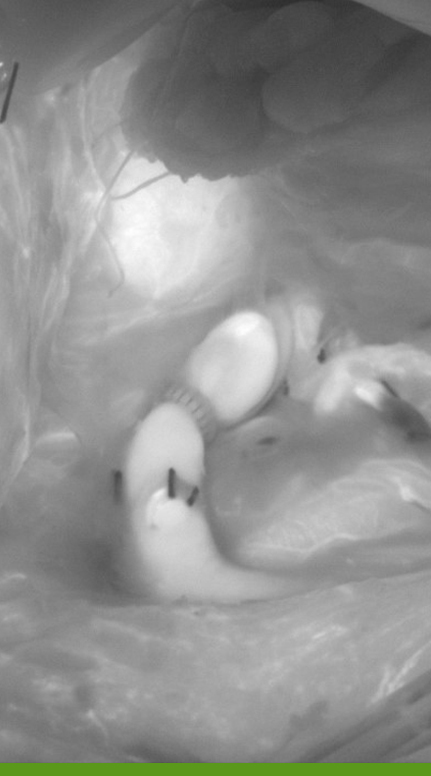
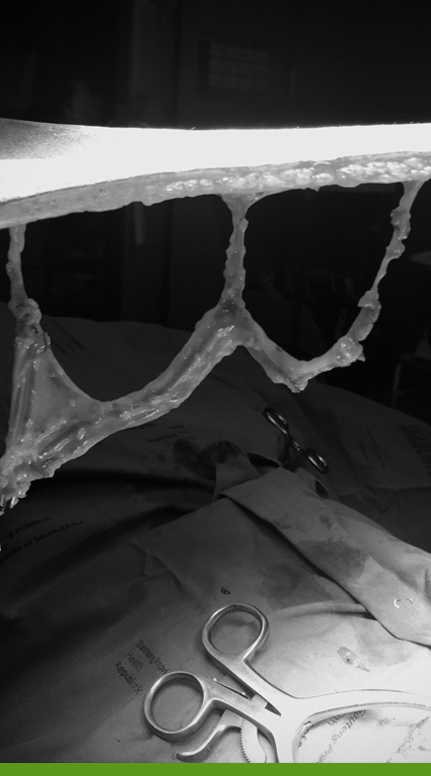
A free flap is a portion of tissue that has been cut off from its original blood supply and transferred to the defect. This flap requires reconnection of the blood vessels under a microscope to vessels within or near the defect to re-establish blood flow to the flap. These flaps can be custom designed to fit the requirements of the defect, i.e., skin, fat, muscle, bone, and nerves. We aim to replace and reconstruct what was lost.
Dr Moodie restores, reconstructs and recreates shape and structure when there is either partial or complete loss of a body structure.
TYPES OF RECONSTRUCTIVE PROCEDURES
Dr Moodie specialises in several reconstructive surgical procedures, including:
Because of the close relationship between form and function in this anatomical area, head and neck reconstruction is undoubtedly one of the most complex and dynamic fields of plastic surgery. These operations have improved greatly with the use of microsurgical reconstructive methods. Many cancer patients' therapy goes beyond a single surgery and is often a lifelong treatment, requiring additional surgery for rehabilitation and recurrence.
The types of head and neck cancer reconstruction include:
- External (scalp, forehead, eyelids, nose, cheeks, ears and lips)
- Internal (intraoral, intranasal, the throat and the upper digestive tract)
- Combined external and internal for extensive defects
Following mastectomy, lumpectomy, or congenital abnormalities, breast reconstruction aims to restore one or both breasts to a near-normal shape, appearance, symmetry and size. Breast reconstruction frequently entails a series of treatments that can either begin at the time of mastectomy or be postponed to a later date. Breast reconstructions most frequently utilise implant-based reconstructions or flap reconstructions. The purpose of breast implants is to help build a new breast mound. Flap reconstruction is a type of surgery that utilises the patient's own tissue from another part of the body (usually the tummy) to create a new breast.
Types of breast reconstruction include:
- Timing: Immediate or delayed reconstruction
- Method
- Flap (own tissue such as DIEP flap) or implant
- Hybrid reconstruction: implant and lipofilling
- Additional components:
- Unaffected side symmetrisation: reduction, lift, enlargement (augmentation)
- Nipple areolar reconstruction
DON'T ONLY PRACTISE YOUR ART BUT FORCE YOUR WAY INTO ITS SECRETS; ART DESERVES THAT.
Beethoven, 1812
DR MOODIE
Dr Moodie knew that he wanted to become a surgeon from the onset of his medical school training at the University of Pretoria, finding the opportunity to repair the human body extraordinary.
His logo, which you see on this website, was inspired by a sculpture by Reghardt van der Meulen “Fragmented“.